
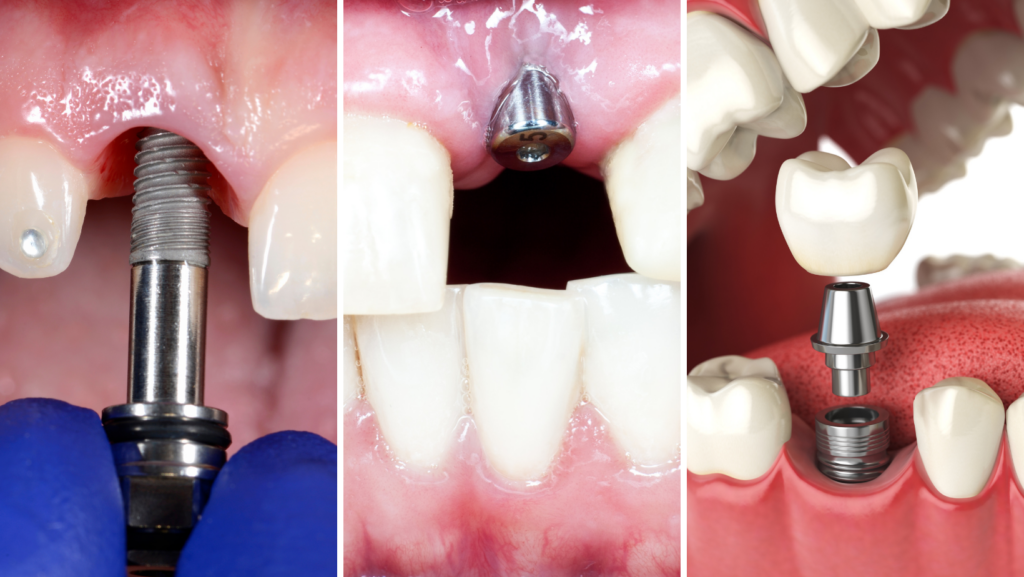
Dental implant recovery requires strict adherence to post-operative instructions and proper care to ensure successful osseointegration. Most patients heal within 3-6 months as the titanium post fuses with the jawbone, though initial soft tissue healing occurs faster.
Following your dentist guidelines for pain medication, managing swelling, protecting the surgical site, and maintaining excellent oral hygiene significantly accelerates the healing process. Your commitment to proper care during this transformative procedure determines implant success and minimizes complications.
If you’re considering dental implants chicago, this guide covers proven strategies to optimize your body’s healing process.
Follow Post-Operative Instructions
Your dentist provides tailored recommendations based on your specific case, including:
- Number of implants placed
- Complexity of the procedure
- Your overall health status
These personalized instructions cover medication schedules, dietary restrictions, and oral hygiene protocols essential for optimal healing.
Strict compliance with your dentist’s care plan prevents postoperative complications and ensures successful recovery. Never deviate from prescribed medications or treatment timelines.
Following these detailed instructions diligently is the single most critical factor determining your implant success and recovery speed.
Ready to start your implant journey with expert guidance? Schedule your consultation today
Adopt a Soft Diet
Transitioning to a soft diet during early recovery stages protects the surgical area from unnecessary pressure.
Foods to avoid:
- Hard and crunchy foods
- Sticky foods that pull at the surgical site
- Hot and spicy items
Nourishing options to choose:
- Soups and broths
- Mashed potatoes
- Yogurt and smoothies
- Steamed vegetables and soft broccoli
- Protein shakes
Never use a straw when consuming smoothies, as suction disrupts the surgical site.
This temporary dietary change supports your body’s healing process while maintaining essential nutrition.
Want to know exactly what to expect post-surgery? Talk to our implant specialists
Manage Pain and Discomfort Effectively
Pain management is critical during the initial days following surgery.
Key strategies:
- Take prescribed pain medication as directed before discomfort becomes unbearable
- Use over-the-counter options like ibuprofen or acetaminophen for mild to moderate pain as dental anesthetics wear off
- Apply ice packs to reduce swelling and numb sensation around the surgical area
Most postoperative discomfort peaks within the first few days and gradually subsides.
Monitor your pain tolerance and communicate with your dentist if discomfort persists beyond normal levels. Proactive pain relief ensures a comfortable recovery.
Concerned about post-surgery pain? Get personalized care from our team
Practice Excellent Oral Hygiene
Maintaining excellent oral hygiene during the recovery period is non-negotiable for successful outcomes.
Your modified routine should include:
- Gently brushing teeth while avoiding the surgical site
- Using prescribed antimicrobial mouthwash to prevent infection
- Incorporating warm saltwater rinses several times daily after the first 24 hours, especially after meals
Handle the healing site carefully to protect tissue health while maintaining overall mouth cleanliness.
Your dentist’s oral hygiene guidelines are essential. Follow them precisely to ensure proper healing and prevent complications.
Stay Hydrated
Proper hydration is often underestimated but essential for surgical wound healing and overall recovery.
Why water matters:
- Helps flush toxins from your body
- Reduces infection risk
- Maintains oral hygiene
- Supports proper oxygen flow to tissues
Aim for at least eight glasses of water daily.
What to avoid:
- Caffeine
- Alcohol
- Any dehydrating substances that slow the healing process
Proper fluid consumption optimizes your body’s ability to regenerate tissue and speeds overall recovery.
Avoid Smoking and Limit Alcohol Consumption
Smoking and alcohol consumption severely hinder the healing process and increase complication risks.
How smoking affects recovery:
- Nicotine constricts blood vessels, reducing blood flow to the surgical area
- Restricts oxygen delivery essential for recovery
- Negatively impacts osseointegration, significantly raising implant failure rates
How alcohol affects recovery:
- Interferes with medication effectiveness
- Compromises immune system function
Quit smoking entirely during the recovery period. At minimum, abstain for two weeks post-surgery. Avoid alcohol for at least two weeks, ideally until complete healing occurs.
Eliminating these harmful habits dramatically improves healing outcomes.
Rest and Avoid Strenuous Activities
Rest is one of the best facilitators of body healing after dental implant surgery.
What to watch for:
- Tired feelings and worn down signals mean you need to slow down
- Pushing yourself risks recovery slowdown and complications
Avoid strenuous activities for at minimum 48 hours, preferably longer during the initial recovery phase.
Even when feeling better, resist over-exertion to prevent bleeding and facial trauma. Keep your head elevated while resting to control swelling and manage blood flow to the surgical area.
Energy conservation and adequate rest periods are critical for optimal healing.
Use Ice Packs to Reduce Swelling
Ice pack application effectively reduces swelling and provides pain relief during the first 24-48 hours post-surgery.
Proper icing technique:
- Apply ice in 15-minute on-off intervals
- Always wrap the ice pack in a towel. Never apply direct contact to skin
- Place cold compresses on your cheek near the implant site, avoiding direct gum and tooth contact
- Remove ice when numbness occurs
Most patients experience minimal swelling, but proper icing technique controls inflammation and bruising effectively when needed.
Day-by-Day Recovery Timeline
Understanding your recovery timeline helps set realistic expectations and track healing progress.
This guide outlines normal healing stages, though person-to-person variation occurs based on individual factors. Your dentist’s suggestions remain the priority reference throughout recovery.
Day 1: The First 24 Hours
Focus exclusively on rest and relaxation.
- Expect mild swelling and pain
- Apply ice packs to your cheek and keep your head elevated
- Avoid touching the implant site with fingers or tongue
- Consume only soft foods, avoiding hot and spicy items
This critical first day requires minimal activity and gentle handling to establish proper healing foundations.
Days 2-3: Managing Discomfort
Swelling may peak on day 2 but typically reduces by evening.
- Take painkillers only with dentist approval
- Begin warm salt water rinses for area cleaning and infection prevention
- By day 3, expect swelling subsidence and bruising decrease
Continue your pain management routine while maintaining oral hygiene, carefully avoiding the implant site during brushing. Keep eating soft foods and avoid strenuous activities.
Days 4-7: Steady Progress
Most patients experience comfort improvement and pain reduction by day 4.
Day 4: Begin using a soft-bristled toothbrush gently around the implant site. Continue avoiding smoking and alcohol.
Day 5: Prioritize hydration as water accelerates healing. Avoid hard foods that risk implant disturbance.
Day 6: Minimal swelling and bruising remain. Gradually resume normal activities while restricting heavy physical exercise.
Day 7: Significant relief with sensitivity reduction. You can reintroduce varied foods, chewing gently and slowly, though avoid direct pressure on the implant site.
Week 2-4: Nearly Healed
By the second week, expect minimal discomfort though area mindfulness remains important.
- Resume using a regular toothbrush around the site
- Normal eating habits can return, though the implant site may remain sensitive
- Gum tissue healing nears completion
- Osseointegration (jawbone fusion with the implant) progresses internally
Continue dentist visits for implant integration monitoring and bone fusion verification. This recovery milestone establishes the foundation for long-term success.
Attend Follow-up Appointments
Regular follow-up appointments are essential for progress monitoring and recovery assessment throughout your healing journey.
What these visits involve:
- Surgical site inspection
- Tissue evaluation
- Implant stability checking
- Osseointegration verification
Never skip appointments, even when recovery appears smooth. Professional monitoring identifies potential complications early.
Use routine check-ins to report unusual symptoms or concerns, allowing treatment plan adjustments when necessary. Consistent appointment attendance ensures long-term implant success and catches issues before they become serious problems.